The Silicon Lottery
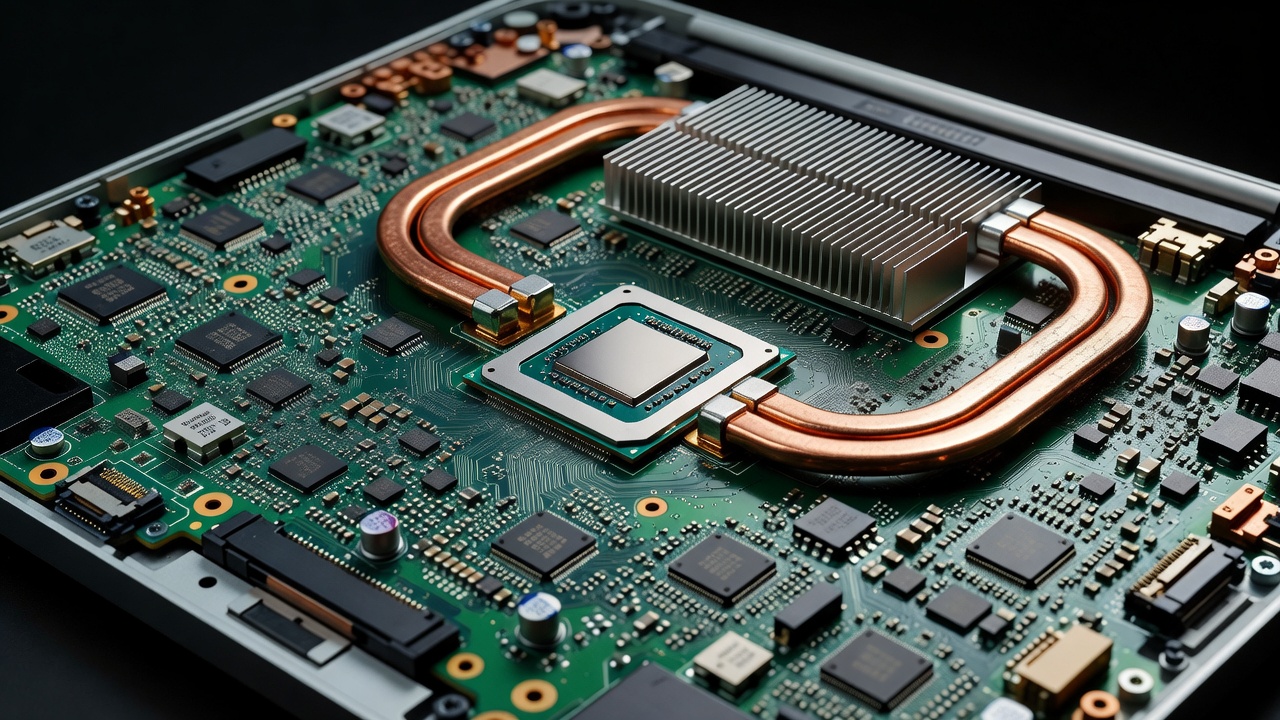
When you walk into a big-box retailer with a $600 budget, you are presented with brand-new machines encased in creaky plastic, running low-wattage budget processors, paired with displays that struggle to accurately render color. This is the new-budget trap. But what if you deployed that identical $600 into the refurbished market?
Architecture Does Not Age Like Fruit
Silicon chips operate fundamentally through electrical pulses, not mechanical friction. A high-end CPU manufactured two years ago does not "slow down" physically. The electrons do not get tired. When wiped of software bloat, a former flagship processor maintains its top-tier computing power indefinitely.
Build Quality Disparity
At $600, a new laptop gives you an entry-level processor, a plastic chassis, and a mushy keyboard. At $600, a refurbished enterprise-grade laptop gives you a CNC-milled aluminum chassis, a flagship chip, 16GB of high-speed RAM, and a color-calibrated 4K display. The build quality gap is astronomical.
Performance Benchmarks
We tested a brand-new $600 retail laptop against a refurbished business-class workstation purchased for the same price. The results expose the factory-seal tax.
| Metric | New Budget Laptop ($600) | Refurbished Flagship ($600) |
|---|---|---|
| Chassis Material | Polycarbonate Plastic | Machined Aluminum |
| Multi-Core Score | 4,102 | 8,950 |
| Display Quality | 1080p, 250 nits, 60% sRGB | 1440p, 500 nits, 100% sRGB |
You aren't buying a faster computer by buying new. You are buying the privilege of peeling plastic film off a vastly inferior product. Professional refurbishers wipe drives to DOD standards, clean internals, and restore operating systems. The smarter financial choice is objective.