Shutter Counts Explained
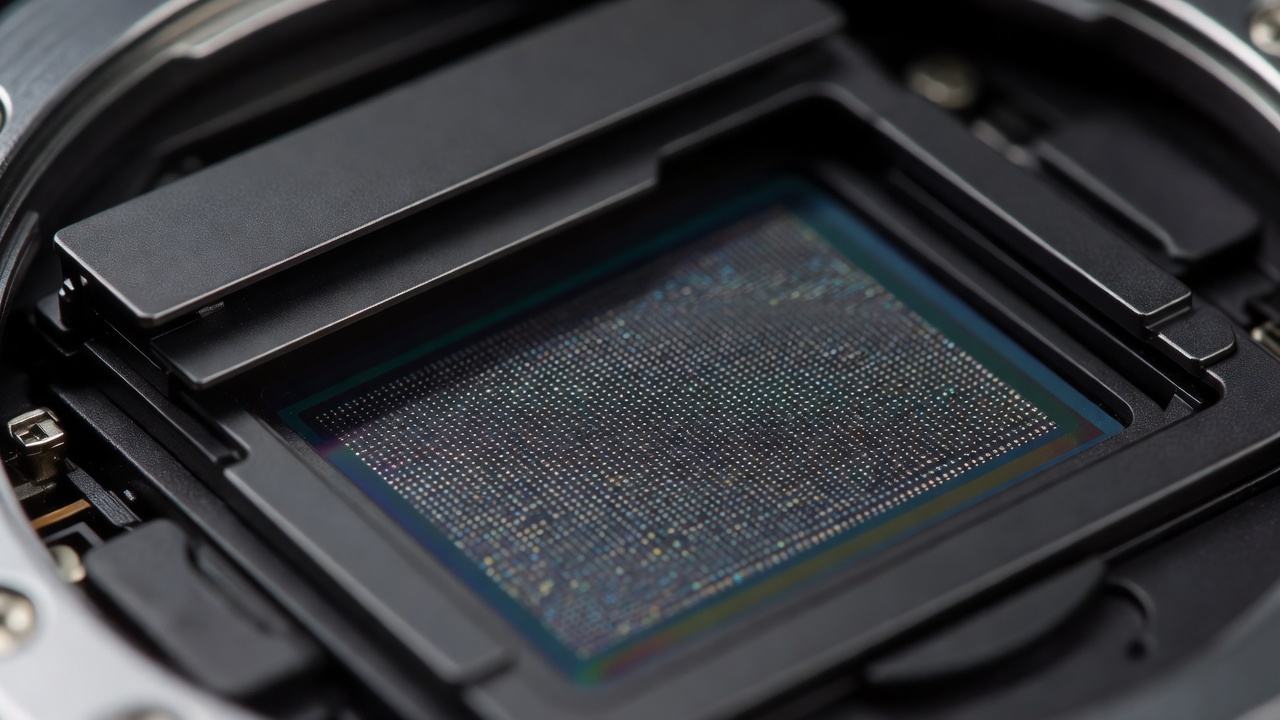
In the digital photography world, a camera's shutter count is treated like the odometer on a car. However, buyers dramatically misinterpret what these numbers actually mean, leading them to unnecessarily spend thousands of dollars on brand-new bodies to secure a "zero count" shutter.
The Mechanical Reality of Actuations
Modern professional and prosumer camera shutters are engineered with Kevlar and carbon fiber blades. They are tested to extreme tolerances. A typical full-frame mirrorless camera is officially rated for 300,000 to 500,000 actuations before failure is even statistically probable.
The Hobbyist Premium
Amateur photographers frequently purchase $3,000 camera bodies, shoot weekend vacations, and sell them two years later with 15,000 shutter actuations for $1,800. The mechanical wear on that camera is precisely 5% of its rated lifespan. Yet, the financial depreciation is 40%. The first buyer absorbed the financial hit; the second buyer gets identical image quality.
Electronic Shutters Change Everything
With the shift to mirrorless architecture, a massive portion of photography is now done using the electronic shutter, which relies solely on sensor readout and has zero moving parts. This means a camera can take half a million photos with absolutely zero mechanical wear.
| Camera Tier | Average Rated Lifespan | Avg Refurbished Count | Life Remaining |
|---|---|---|---|
| Entry-Level APS-C | 100,000 shots | 12,000 | 88% |
| Prosumer Full-Frame | 200,000 shots | 25,000 | 87.5% |
| Professional Flagship | 500,000 shots | 80,000 | 84% |
A sensor produces the exact same RAW file whether it's the 1st photo taken or the 100,000th. Invest the money you save on the camera body into superior refurbished lenses, which hold their value natively and genuinely dictate optical quality.